— Brand Activations · March 21, 2026 · 8 min read
Luxury Brand Activations in Eastern Europe: Why Tbilisi Is the Region's Quiet Capital
Inside the rise of Tbilisi as a destination for luxury brand activations — from Lancôme press dinners to Maison Margiela retail moments — and what makes the city work for global houses.
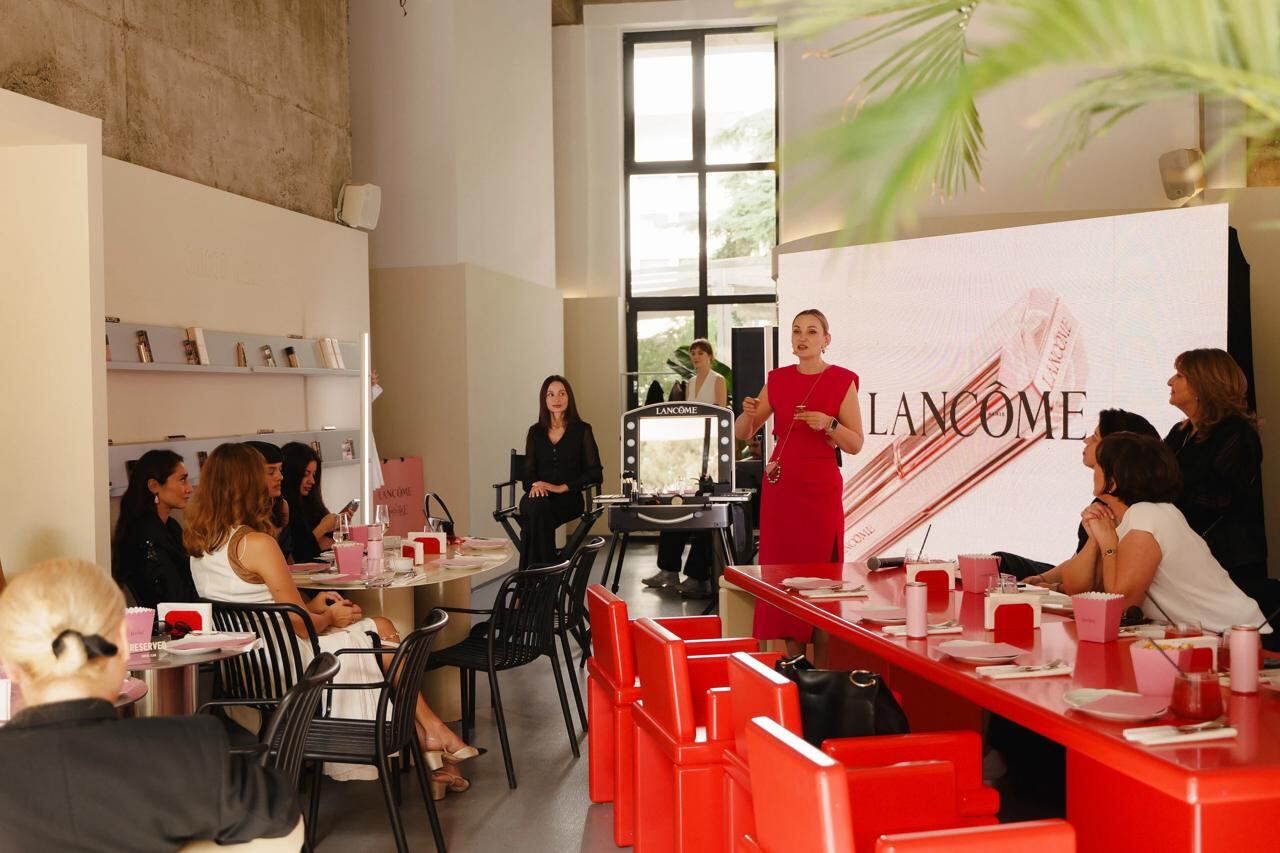
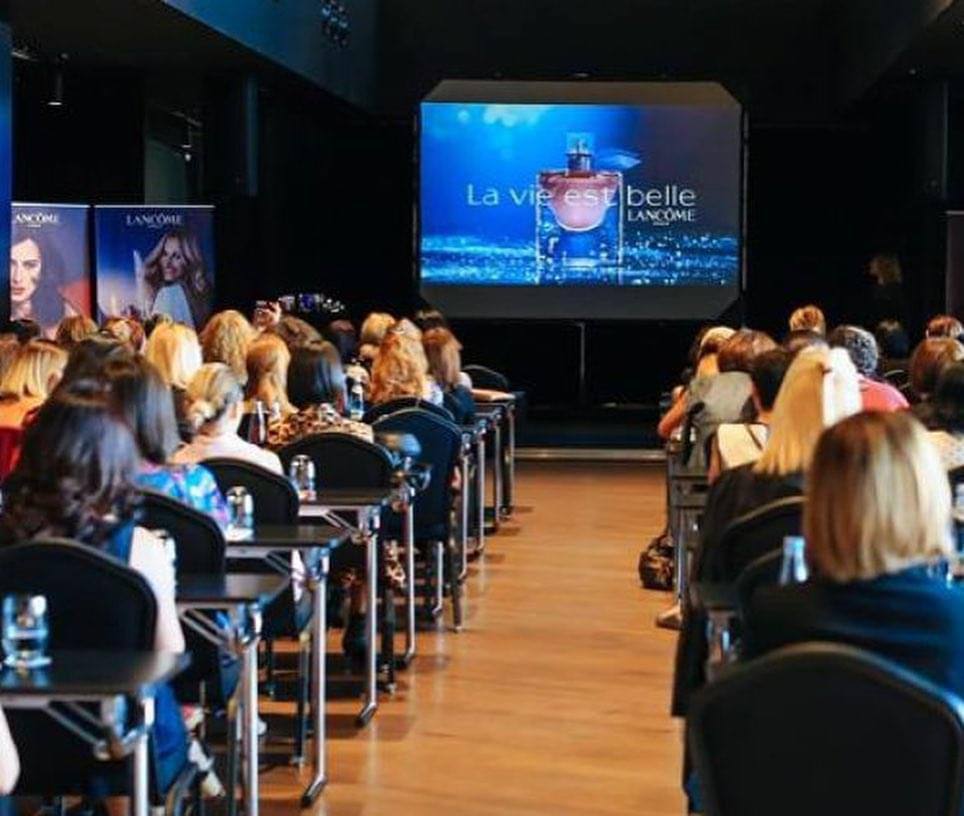
When a luxury house plans a regional brand activation in Eastern Europe, the default cities have historically been Warsaw, Prague and Bucharest. Over the last three years, that map has quietly shifted. Tbilisi has become a destination of choice for fragrance launches, fashion press moments, beauty masterclasses and high-jewellery events — chosen by Lancôme, Yves Saint Laurent, Prada Beauty, Maison Margiela and a long list of houses that prefer not to appear in trade press. This article looks at why.
A city built for storytelling
Luxury activations are, fundamentally, a storytelling exercise. The brand has a campaign, a product, an idea — the activation is the three-dimensional translation of that idea into a guest experience. Tbilisi gives brands an unusually rich palette to work with. The architecture moves from belle-époque townhouses to Soviet brutalism to glass-and-steel modernism within a single ten-minute drive. Old courtyards open onto contemporary galleries. A traditional supra table can be reset, in the same evening, as an editorial fashion still life.
This visual range matters because it removes the need to ship in a constructed environment. A campaign concept that would require a built set in a Western capital can often be shot or staged in-situ in Tbilisi, in spaces that look engineered for it. The cost of a single press dinner at a Sololaki residence with a private courtyard is often a third of an equivalent venue in Paris or Milan.
Production craft at international standard
The cliché about Eastern Europe — that you can have it cheap or you can have it good — has been outdated for some time, but Tbilisi has moved the conversation furthest. The city has developed a small but serious community of producers, art directors, florists, set builders and content creators who have worked on briefs from international houses and now operate at that level by default. Expectations on lighting, set finish, talent direction and post-production are calibrated to international house standards rather than local market norms.
What this means in practice: a brand can land in Tbilisi with a regional marketing director and a brief, and walk out three days later with a fully delivered activation, on-brand content, and a guest list of regional editors and influencers properly hosted. The operational layer that usually requires shipping in a global agency is increasingly available locally.
The retail-meets-experience format
One of the strongest formats we see working in Tbilisi is the retail-led activation: a fragrance, beauty or fashion house that uses the activation to drive both press coverage and immediate retail traffic. Tbilisi's Galleria, East Point and the new luxury floor at Tbilisi Mall have become credible activation venues. A well-produced two-day pop-up — with a press preview on day one and a public retail moment on day two — consistently outperforms equivalent budgets in larger markets, partly because the local press and influencer pool is small enough to engage directly.
Press, influencers and the regional reach
Tbilisi punches above its weight on regional reach. The city draws press and influencers from Yerevan, Baku, Istanbul and the broader Caucasus, and is increasingly on the radar of Russian-language editors who used to fly to Paris or Milan. A well-curated guest list of 60 to 80 names can deliver multi-market coverage from a single evening, with content that travels across at least four content markets. Smart brands brief the activation with that distribution in mind, capturing horizontal and vertical content from the start.
Hospitality as a quiet competitive edge
There is a practical reason luxury houses come back to Tbilisi: guests have a good time. The hospitality is genuine, the food is excellent, the wine is unique to the region, and the city is small enough that a guest's evening flows seamlessly from venue to dinner to bar without the friction of a Paris cab queue. For brands hosting international press or VIPs, that ease translates directly into editorial warmth and stronger relationships.
We have hosted critics who arrived politely sceptical and left openly enthusiastic. That conversion — from "I'm here for the brand" to "I'd come back on my own" — is the quiet KPI of every activation, and Tbilisi delivers it more reliably than almost any city we work in.
What to brief for
Brands evaluating Tbilisi for a future activation should brief for three things specifically. First, treat the city as a creative ingredient — let the architecture and craft be visible in the activation rather than masked. Second, lock production lead time of at least eight to twelve weeks; the best venues, florists and content teams are increasingly booked. Third, build the regional press story into the brief from day one, not as a follow-on. The reach is there if the activation is designed to capture it.
The houses that have used Tbilisi well treat it as a strategic regional hub rather than a one-off curiosity. The infrastructure is now in place to support that, and the next two years are likely to see the city become a default fixture on the European luxury activation calendar.
Choosing the right format for the brand moment
Not every brand activation needs to be a press dinner, and the houses that get the most out of Tbilisi tend to be deliberate about format. A fragrance launch often works best as a multi-sensory installation — a single room, a curated scent journey, a private guest list rotated across two evenings. A fashion press moment lands harder as an editorial residency: an exhibition open for three days, with a private opening, a creator dinner mid-week, and a public closing. A high-jewellery presentation benefits from intimacy — eight to twelve guests in a residence with the pieces presented one-on-one. Choose the format that matches the brand asset, then design the venue and guest list around it.
The fastest way to weaken an activation is to default to a generic dinner-and-speeches format because it feels safe. Tbilisi gives brands permission to be more inventive than they would be in a saturated Western capital, and that permission is one of the city's quiet competitive advantages.
The local talent layer brands underestimate
Behind every successful activation in Tbilisi sits a layer of local talent that international houses consistently underestimate at the briefing stage and consistently rely on by the production stage. Stylists who have worked the European fashion week circuit and returned home. Florists trained in Paris and Tokyo now operating studios in Vera and Vake. Set builders whose day job is theatre and whose weekend work is luxury retail. DJs and live musicians who hold a residency at a Berlin club one weekend and play a brand dinner in Tbilisi the next.
Brief the activation with that talent visible in the proposal. Naming the people behind the work — not just the agency — gives the brand confidence and gives the producers a stronger contract with the result. The strongest activations in Tbilisi feel hand-made, not assembled, and that quality comes from the individuals working the room.
Measuring success beyond the event night
Brand teams measuring activation success purely on event-night attendance miss most of the value Tbilisi delivers. The meaningful KPIs sit in the weeks afterwards: regional press impressions across at least four markets, organic creator content, retail uplift in the activation window, and the qualitative shift in how regional partners speak about the brand. Build a measurement framework into the brief from day one, and instrument the activation to capture it — UTM-tagged content links, a private creator group for follow-up assets, a retail tracking window of four weeks. Activations briefed this way consistently out-perform those measured on guest count alone.