— Weddings · March 7, 2026 · 10 min read
Destination Weddings in Georgia: Why Couples Are Choosing Kakheti for the Most Personal Day of Their Lives
Vineyard ceremonies, mountain views and an old-world hospitality tradition — a guide to planning a destination wedding in Georgia's wine country, from the studio that produces them.
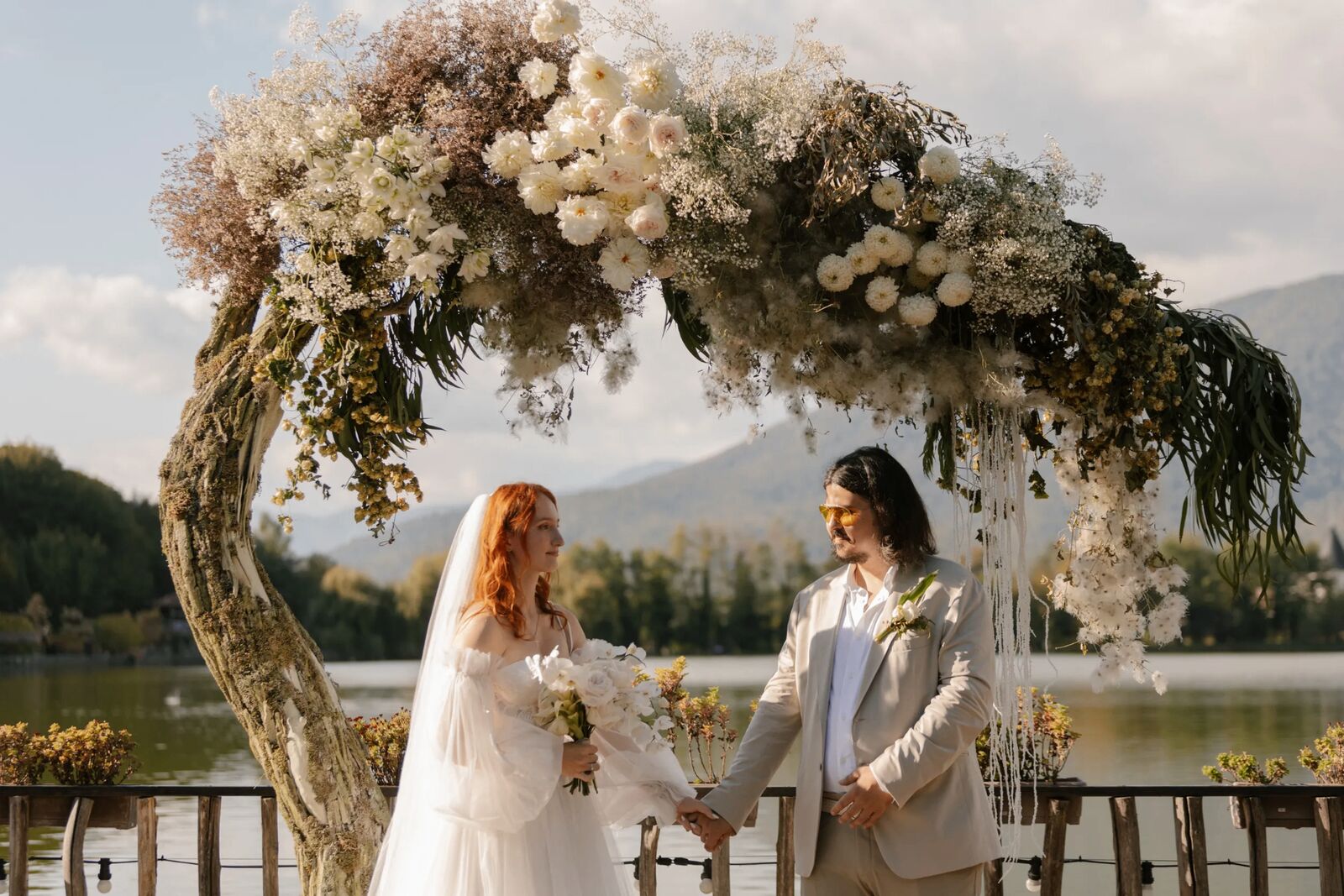
There is a quiet shift in how international couples are thinking about destination weddings. Tuscany, Provence and the Amalfi Coast remain beautiful, but they have also become predictable — the same villas, the same olive groves, the same vendors photographed across a thousand identical Pinterest boards. Georgia, and specifically the wine country of Kakheti an hour east of Tbilisi, offers couples something the European classics no longer can: a genuine sense of discovery, rooted in one of the oldest wine and hospitality cultures in the world.
This guide is for the couple who has started to look beyond the obvious. It walks through what a destination wedding in Kakheti actually involves — the venues, the rhythm of the day, the legal questions, and the kind of hospitality that makes guests text you about it months later.
Why Kakheti, specifically
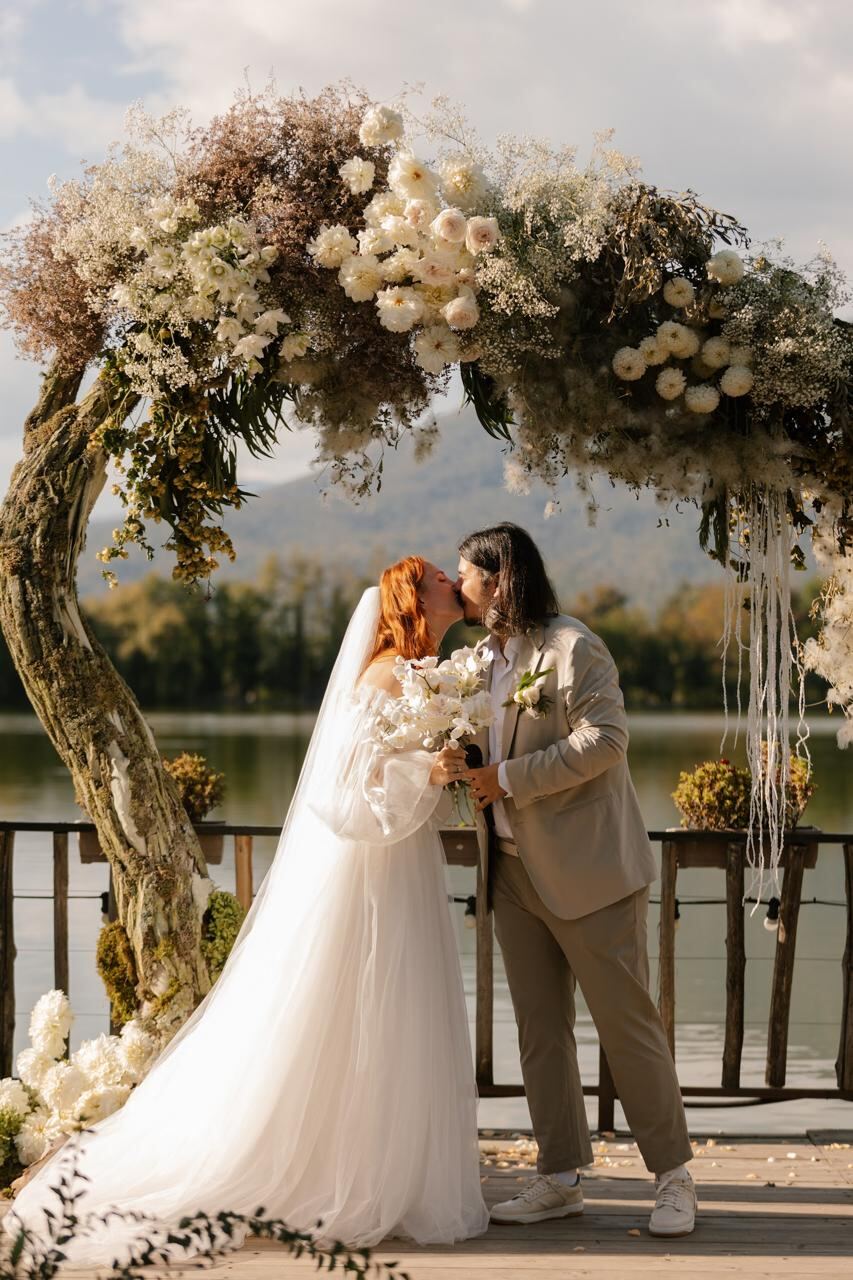
Kakheti is Georgia's principal wine region, a landscape of vineyards, ancient monasteries and the Caucasus mountains as a permanent horizon. It has been making wine for over 8,000 years — qvevri, the clay-vessel method developed here, is the oldest continuously practised winemaking technique in the world. For a couple choosing a destination, that history is not a backdrop; it becomes the structure of the day. Welcome dinners happen in working wineries. Ceremonies are held under floral arches with vineyards rolling out behind them. Late-night moments unfold around long communal tables that draw on the Georgian supra tradition without imitating it.
The region is also more compact than people expect. Most of the wedding-grade venues sit within a 30-minute drive of each other around Telavi and Sighnaghi, which means a three-day wedding programme can move guests fluidly between locations without the logistical drag of a sprawling region.
The venues
There are three categories of venue worth considering. Working wineries — Schuchmann, Lapota, Twins Cellar — offer authenticity, beautiful cellars for after-parties, and a built-in narrative around the wine. Boutique estates — places like Lost Ridge Inn, Kvareli Lake Resort, the smaller properties in Sighnaghi — offer fuller residential infrastructure and are well suited to weddings where most guests are staying on-site for the full programme. Heritage residences — restored 19th-century houses with private gardens — give the most editorial, intimate feeling, ideal for guest counts of 60 to 100.
Whatever the venue, walk it in the same season your wedding will take place. Kakheti light is dramatically different in May, August and October. The September harvest weeks have a particular gold to them that is unmatched anywhere we have worked, but the same vineyards in mid-summer can feel parched and overlit. Match the venue visit to the actual wedding window.
The shape of the weekend
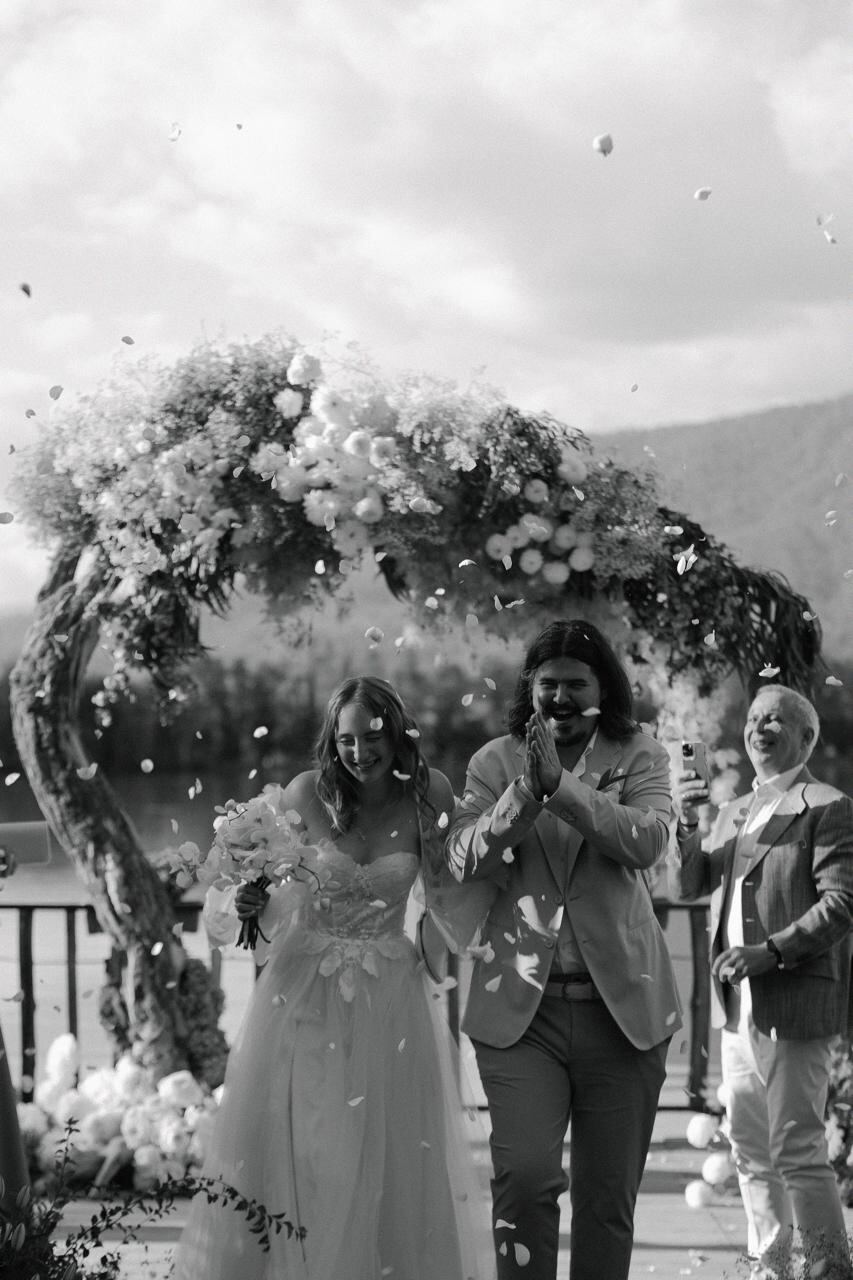
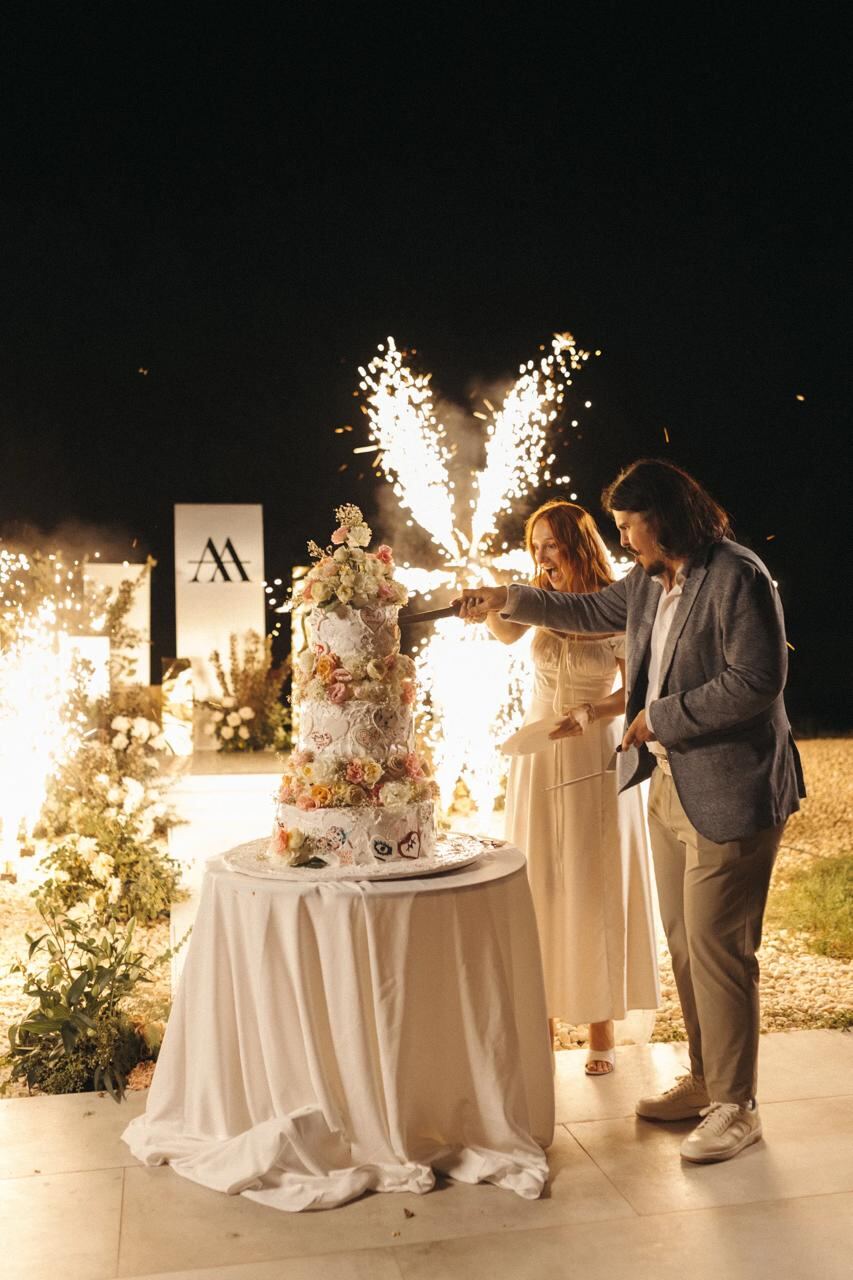
Most international destination weddings in Kakheti unfold across three days. The arrival evening is intentionally informal — a welcome supper at a working winery, long tables, a sommelier walking guests through three or four local wines. The wedding day proper opens with a relaxed late-morning, builds through an afternoon ceremony in the vineyards, into a sunset reception, into a long dinner under bistro lights, and closes with a late-night moment that often migrates from the main venue to a wine cellar or rooftop. The third morning is typically a slow recovery brunch, often the most photographed moment of the weekend.
The pacing matters. Couples who have come from London, Paris or New York tend to under-estimate how much guests want to slow down once they arrive. Build in genuine downtime — a vineyard tour, a cooking class with a local family, a swim — and let the wedding feel like a holiday rather than a checklist.
Florals, food and the local craft
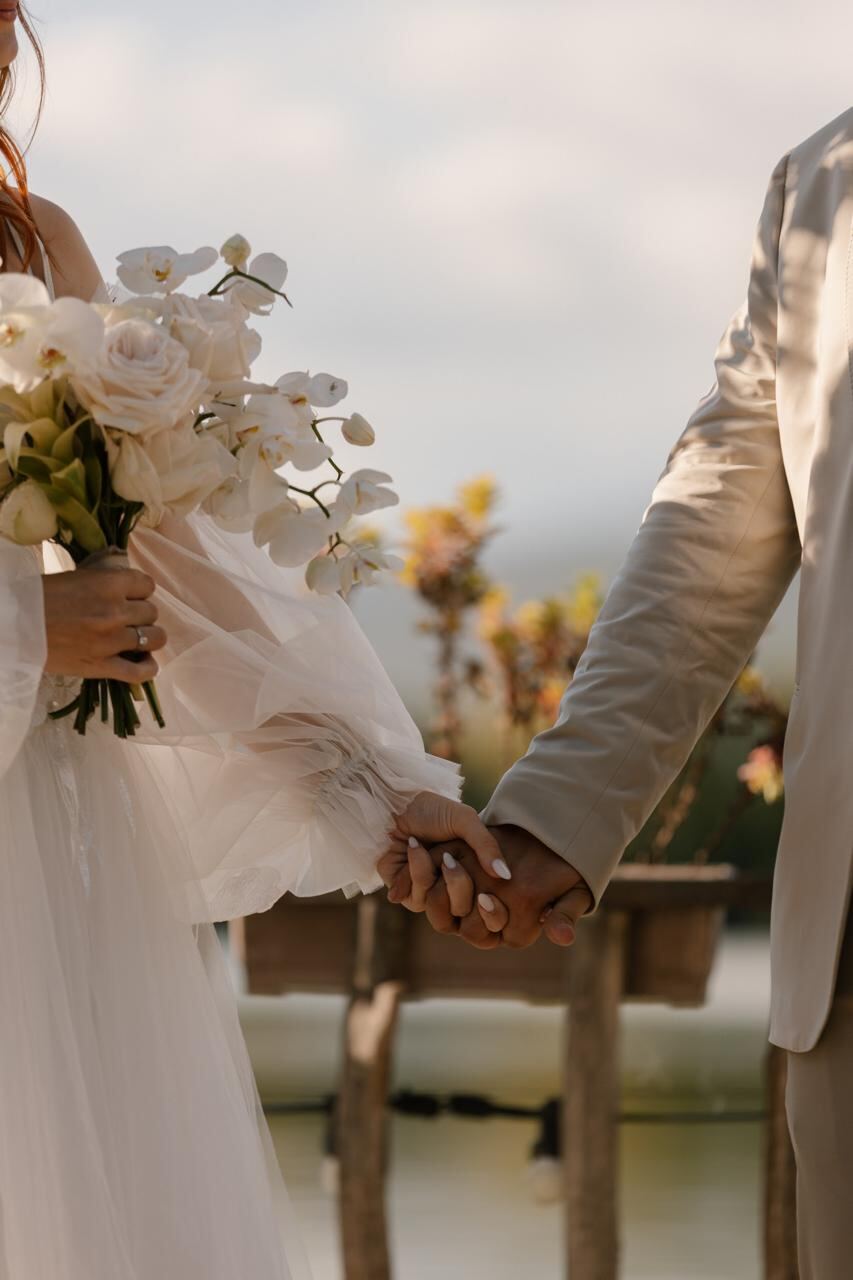
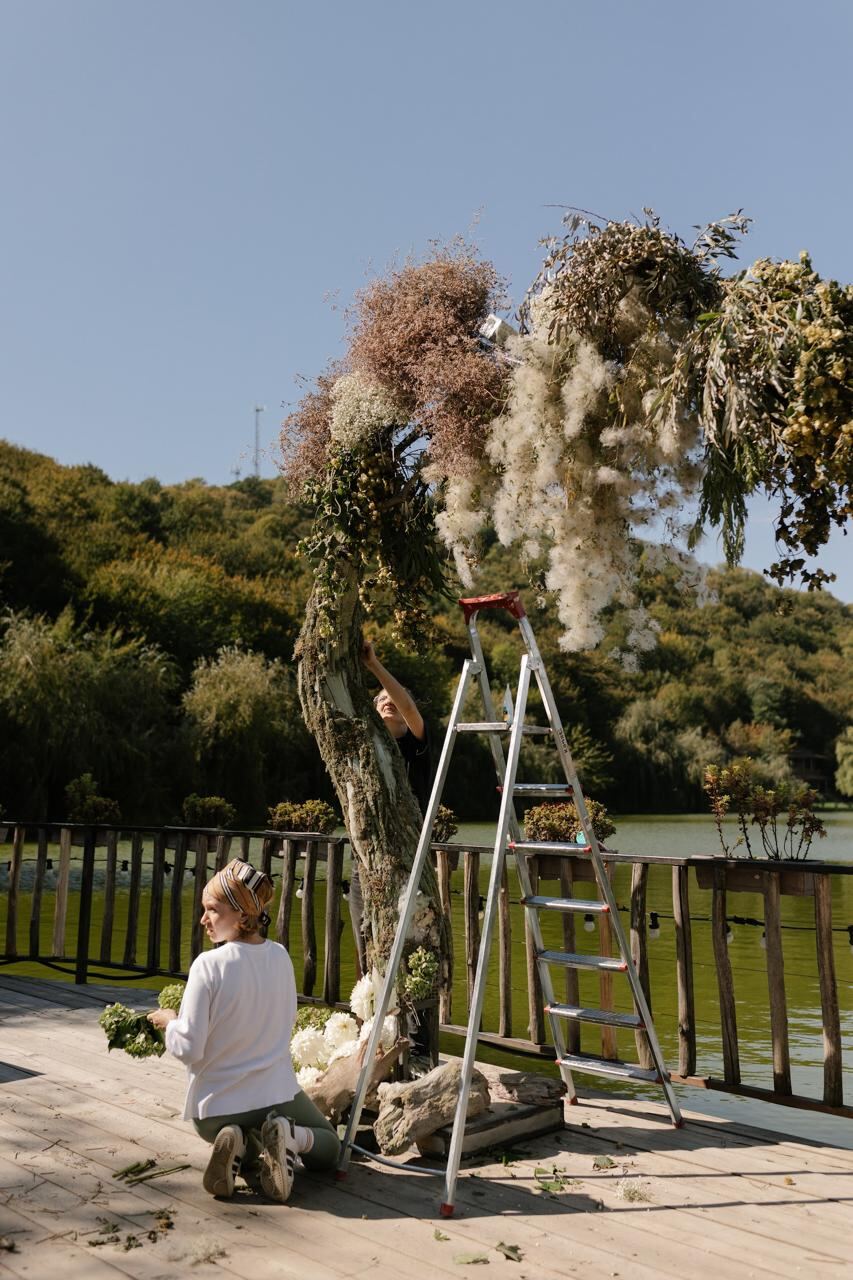
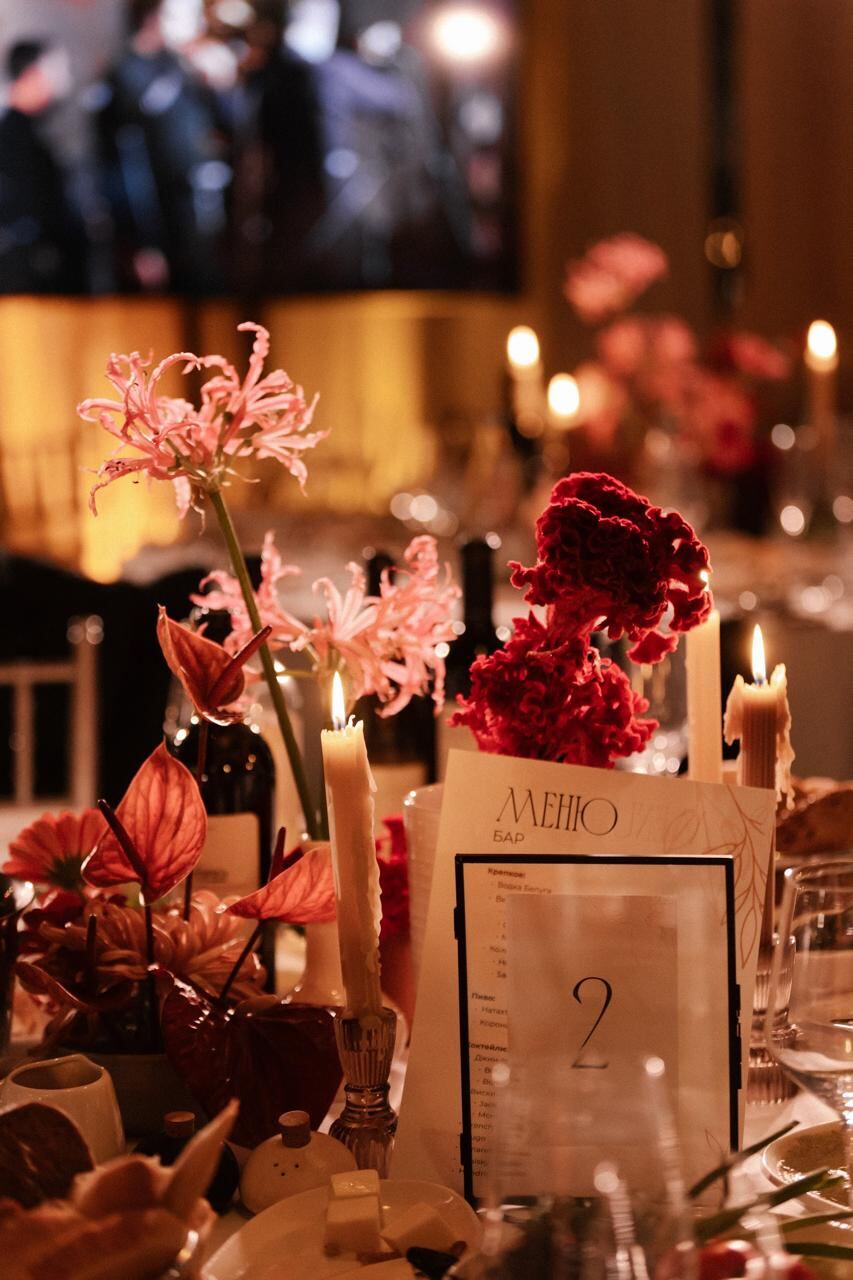
Floral design in Georgia has matured rapidly. The strongest local florists work with seasonal, regional material — wild branches, ranunculus, jasmine, dried grasses from the steppe — and produce work that holds its own next to anything coming out of Paris or Sydney. The cost of a fully designed floral programme is typically 40–60% lower than equivalent European markets, which often allows couples to be more ambitious than they planned.
On food, Georgian cuisine deserves to be the centrepiece, not a polite gesture. Modern Georgian chefs are reinterpreting traditional dishes — khinkali, pkhali, mtsvadi — in ways that translate beautifully to a wedding format. A well-curated wedding menu in Kakheti is one of the most memorable elements guests speak about afterwards. Keep imported wines off the table; the local producers are the story.
Legal and logistical realities
Practically, getting legally married in Georgia is straightforward. A foreign couple can register a marriage in Tbilisi in around 24 hours with notarised translations of their passports. Most international couples we work with handle the legal marriage at home and treat the Kakheti ceremony as a symbolic celebration, which removes any administrative pressure from the weekend itself.
Travel logistics are friendlier than couples expect. Tbilisi has direct flights from most major European hubs, transfer time to Kakheti is roughly 90 minutes by road, and visa requirements for most Western passports are minimal. Building a guest travel guide — flight options, recommended hotels in Tbilisi for early arrivals, a brief cultural primer — meaningfully improves attendance and sets the tone before guests have left home.
Working with a planner who knows the country
A destination wedding in Georgia rewards working with a planner who lives and produces in the country, rather than coordinating it from abroad. Local relationships with venues, suppliers and authorities cut weeks out of the planning timeline and protect against the small frictions that otherwise become large ones — a vendor that quietly stops responding, a permit that needs in-person processing, a last-minute weather pivot that requires rebuilding an outdoor ceremony in 48 hours.
Couples who choose Kakheti tend to share a particular sensibility: they want the day to feel personal, generous, and rooted in a place they genuinely love by the end of the weekend. Done well, a Georgian wedding gives guests a country they did not know they wanted to visit and sends them home asking when they can come back. That, more than anything, is what destination weddings are quietly meant to do.
Budget reality and where the value sits
A common misconception is that a destination wedding in Georgia is dramatically cheaper than the European alternatives. The truth is more nuanced: the same level of production craft is meaningfully less expensive than Tuscany or Provence, but a fully designed three-day wedding for 80 to 120 guests is still a serious investment. The savings show up in three specific places — floral design, food and wine, and venue rental — where the gap with Western markets is roughly 40 to 60 percent. They do not show up in production hardware, which is increasingly priced to international standards, or in international vendors couples may want to fly in.
Most couples we work with reinvest the savings rather than pocket them. The same budget that would have produced a competent wedding in Tuscany produces an exceptional one in Kakheti — more ambitious florals, a longer guest stay, custom signage and stationery, a live band rather than a DJ, a private chef for the recovery brunch. The country rewards that reinvestment visibly.
Photography and content that matches the place
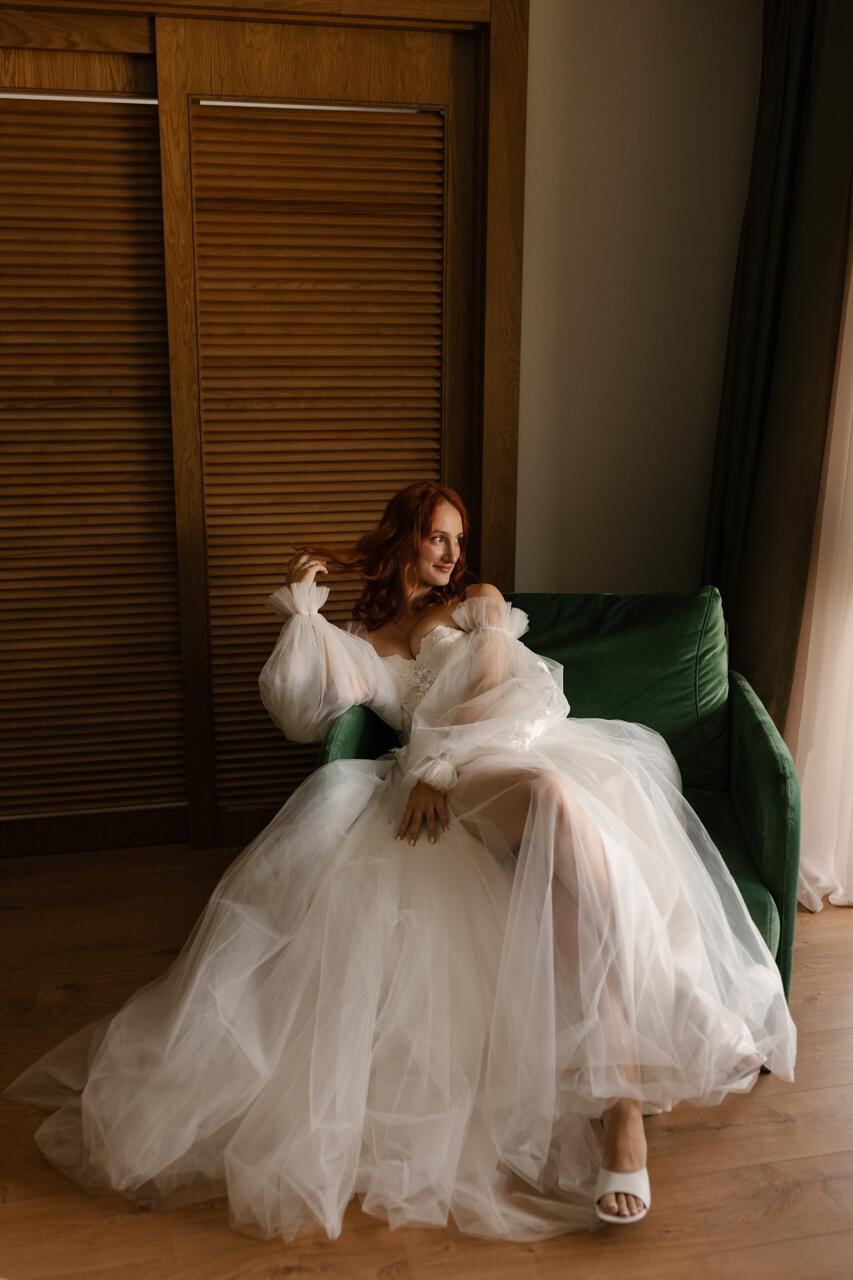
Kakheti is a generous landscape for photography, and the difference between competent and exceptional wedding content is usually about whether the photographer understands the country. Brief a team that has shot in Georgia before, scout the venue together at the same time of day as the ceremony, and protect a 30-minute golden-hour portrait window in the schedule. The vineyard light here behaves differently than the Mediterranean — softer, longer, with a gold that lingers — and a photographer used to it will compose for that quality rather than fight it.
Beyond the wedding day, build a small additional content budget for a half-day editorial session the morning after the ceremony. The bride and groom in unstyled vineyard light, a quiet supra table being reset, a single horse in the lower fields — these images often become the ones the couple actually frames. They cost very little to capture and add disproportionately to how the weekend is remembered.
What guests will actually remember
Long after the wedding, what guests describe is rarely the floral installation or the seating chart. They remember the long table at the welcome dinner where they met someone new, the late-night cellar with the qvevri jars and the singing, the morning walk through vineyards still wet with dew, the family in the village who hosted a cooking class. A destination wedding in Kakheti works because the country itself becomes the memorable element, not just the wedding within it. Couples who design with that in mind — leaving room for the place to participate — find the weekend exceeds the brief on every count that actually matters.
— From the day