— Corporate Events · April 4, 2026 · 9 min read
How to Plan a Corporate Gala in Tbilisi: A Complete Guide for International Brands
From venue scouting in Old Tbilisi to choreographing 400 guests across a single evening — a producer's playbook for hosting a flagship corporate gala in Georgia.
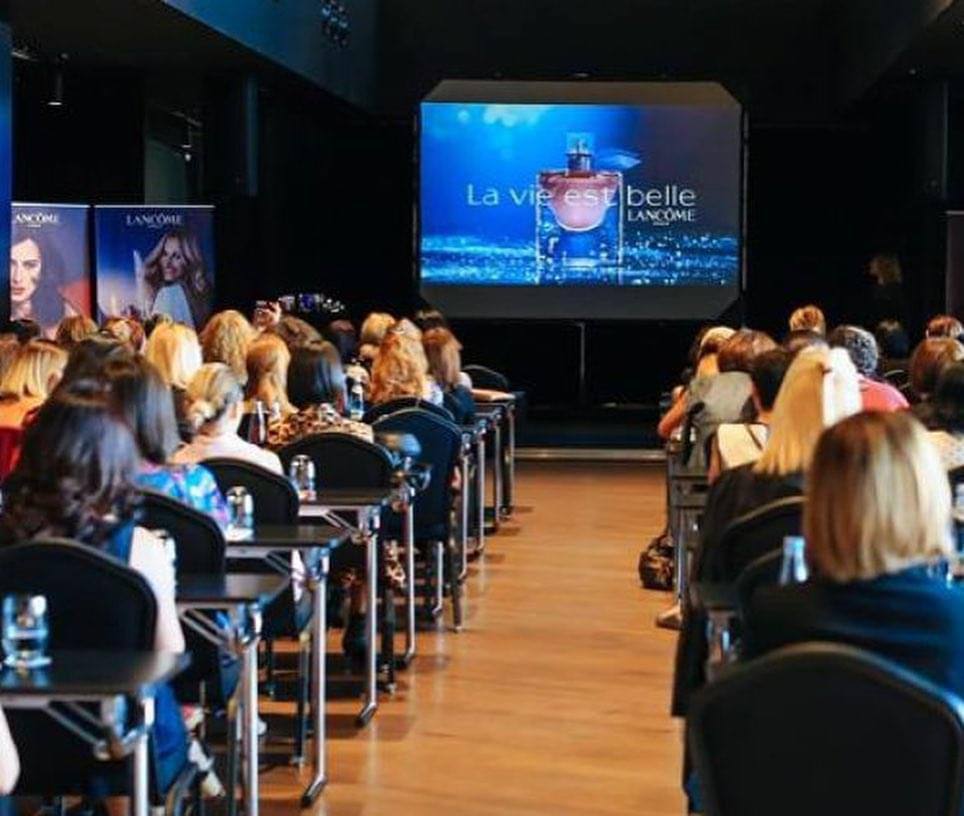
Tbilisi has quietly become one of the most interesting cities in the region to host a corporate gala. The city pairs old-world architecture, world-class wine country an hour away in Kakheti, and a generation of young creative producers who can deliver work to a Parisian standard at a fraction of European production costs. For international brands looking to gather distributors, partners or VIP clients in a single, memorable evening, the question is rarely whether to do it in Georgia — it is how to plan it well.
This guide is written from inside the production room. It covers the decisions that actually move the needle: venue, timeline, guest experience, supplier strategy, content capture, and the small operational details that quietly separate a great gala from a forgettable one.
Start with the brief, not the venue
The most common mistake brands make is to fall in love with a venue before defining the brief. A corporate gala in Tbilisi can take many shapes — a flagship anniversary, a regional sales summit's closing dinner, a launch celebrating a new market. Each requires a different shape of evening. Before any venue is approached, write down three things: what the guest should feel walking out the door, what the brand needs to be photographed doing, and what the single hero moment of the night will be. Every other decision flows from those three answers.
Choosing the right venue
Tbilisi offers four broad categories of gala-grade venues. Heritage townhouses in the Sololaki and Mtatsminda districts give a quiet, residential elegance — best for intimate dinners of 60 to 120 guests. Modernist event spaces near Vake offer industrial scale and clean lines, ideal for larger 200 to 400 guest galas with stage and lighting requirements. Vineyard estates in Kakheti, an hour outside the city, allow for a full day-into-evening programme with golden-hour outdoor moments and a more residential, weekend-feeling close. Finally, hotel ballrooms — the Stamba, the Rooms — offer turnkey infrastructure when timelines are tight.
Walk the venue twice. Once during the day, to test sightlines, ceiling heights and the specific pinch points where catering enters and exits. Once at night, to understand the ambient light, street noise and the actual mood of the room. Photographs lie; the second walk-through almost always changes the floor plan.
Building the timeline
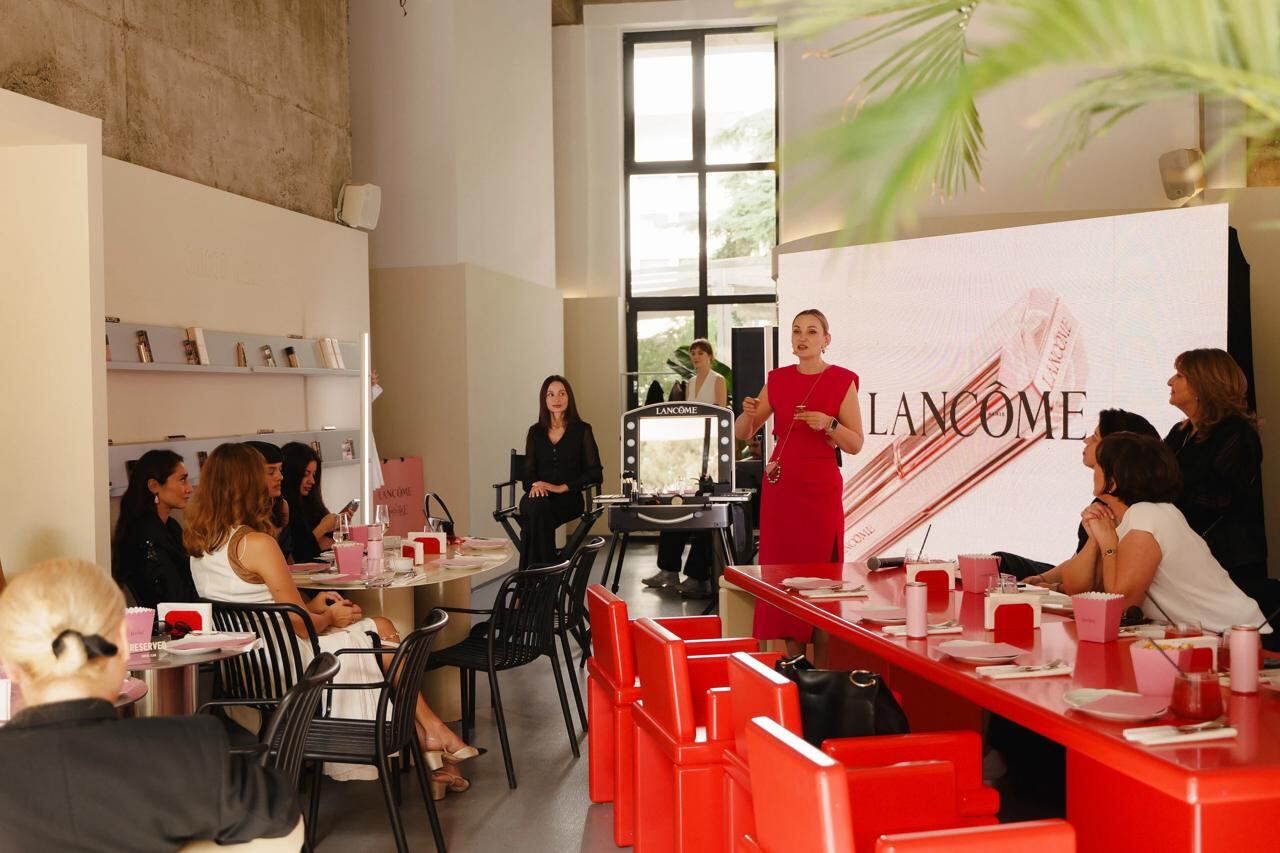
A successful corporate gala in Tbilisi typically runs across four hours: arrival and welcome cocktail (45 minutes), seated programme (90 minutes), entertainment and dance (75 minutes), and a curated late-night close (30–45 minutes). The arrival window is non-negotiable. Tbilisi traffic is unpredictable, especially Friday evenings, and a 20-minute arrival window invariably becomes 50 minutes. Plan for an extended welcome and design the room so that early arrivers are immediately occupied — a sommelier-led wine corner, a perfumer's table, a custom photo booth.
Speeches are the single most-cut element in our post-event reviews. Cap the formal programme at 25 minutes total, including any awards. Anything longer pulls energy out of the room and makes the rest of the evening feel like an obligation. If the brand needs more airtime, distribute it across short, video-supported moments rather than one long block.
Catering and the wine question
Georgia is one of the oldest wine cultures in the world, and any gala held here should treat that as a feature rather than a backdrop. Work with a sommelier who knows the smaller Kakheti producers — Pheasant's Tears, Lagvinari, Vinoterra — and build the wine pairing into the storytelling of the evening. International brands often make the mistake of importing French wines for prestige; in Tbilisi, the prestige move is the opposite.
On food, lean into the modern Georgian kitchen rather than the traditional supra. Chefs like Tekuna Gachechiladze, Meriko Gubeladze and the team at Barbarestan have redefined what fine Georgian cuisine looks like, and their tasting menus translate beautifully to a seated gala format. Allow at least 15 minutes between courses; rushed plating is the most reliable signal of a poorly produced evening.
Production: light, sound, and the invisible work
Production is the part of a gala guests never consciously notice — until it fails. Budget at minimum 18% of total spend for technical production: lighting design, sound, AV, power redundancy and on-site engineers. Tbilisi's local rental houses are increasingly strong, but for brand-critical moments — keynote speeches, video reveals, live performances — bring in a lead lighting designer with international experience and let them direct the local crew.
Always commission a proper power audit of the venue. Heritage buildings in Tbilisi often look majestic but were never wired for the load of a modern stage. We have lost more than one rehearsal evening to a tripped breaker; building a separate generator into the budget is cheap insurance.
Content capture as a deliverable, not an afterthought
For most international brands, the gala itself is half the project — the other half is the content that will live on for the next twelve months across regional marketing. Brief the photographer and film team with the same rigour as the catering. Give them a written shot list, identify the three hero moments, and protect their access to the room. Schedule a 15-minute brand portrait window before guests arrive, when the styling is at its peak and the energy is calm.
Working with a Tbilisi-based producer
Even the most experienced in-house events team benefits from a local production partner on the ground. A Tbilisi-based producer brings supplier relationships that have been built over years, knows which venues will actually deliver versus pitch beautifully, and absorbs the operational load while the brand team focuses on guests. Choose a partner who has produced for international houses before — the briefing language, contracting conventions and content delivery expectations differ from a purely local market.
If your brand is considering a corporate gala in Tbilisi for the next season, the best time to begin is six to nine months out. Venues for the strongest weekends — late spring, early autumn — are typically held by April. Send a short brief, identify your hero moment, and let the city do the rest. Tbilisi gives a great deal back to brands willing to take it seriously.
Guest experience and hospitality details
The details guests remember from a corporate gala in Tbilisi rarely show up on a budget line. They are the small hospitality choices: a hand-written place card in the guest's first language, a curated welcome amenity in the hotel room, a printed running order of the evening waiting on the chair. International guests arriving in Georgia for the first time are often unfamiliar with the country, and small acts of orientation — a one-page cultural primer, a curated city map, a private car waiting at arrivals — translate directly into how the brand is perceived for the rest of the trip.
Plan the guest journey as a single arc rather than a single evening. The most successful corporate galas we produce in Tbilisi are framed by a half-day cultural programme the morning before — a wine tasting in Kakheti, a private museum visit, a chef-led market walk — that gives international guests context for the country before the gala itself. By the time the evening begins, guests have a relationship with Tbilisi, and the brand benefits from that warmth.
Budget allocation that actually works
After producing dozens of corporate galas in Georgia, a reliable budget split has emerged. Roughly 30% goes to venue and catering, 18% to technical production, 12% to floral and styling, 10% to entertainment and talent, 8% to content capture (photography and film), 7% to guest hospitality and transport, 6% to brand and print collateral, and the remaining 9% to producer fees and contingency. The single most under-budgeted line, in our experience, is contingency — keep at least 8% protected, because heritage venues, weather, and last-minute brand additions reliably consume it.
Avoid the temptation to over-spend on hardware and under-spend on craft. A beautifully lit room with thoughtful florals will out-photograph a heavily produced room with weak styling every time. Ask your producer where the money is actually visible in the final content, and weight the budget there.